
Sarvin Wildlife Conservation

Protecting Iran’s wildlife through field-based, community-aware conservation

We work to protect Iran’s most vulnerable wildlife and the landscapes they depend on through practical conservation, local partnership, and long-term field presence.

What We Do

Our work focuses on protecting wildlife, restoring ecological function, and strengthening the role of local communities in conservation.

Donate to cheetah conservation

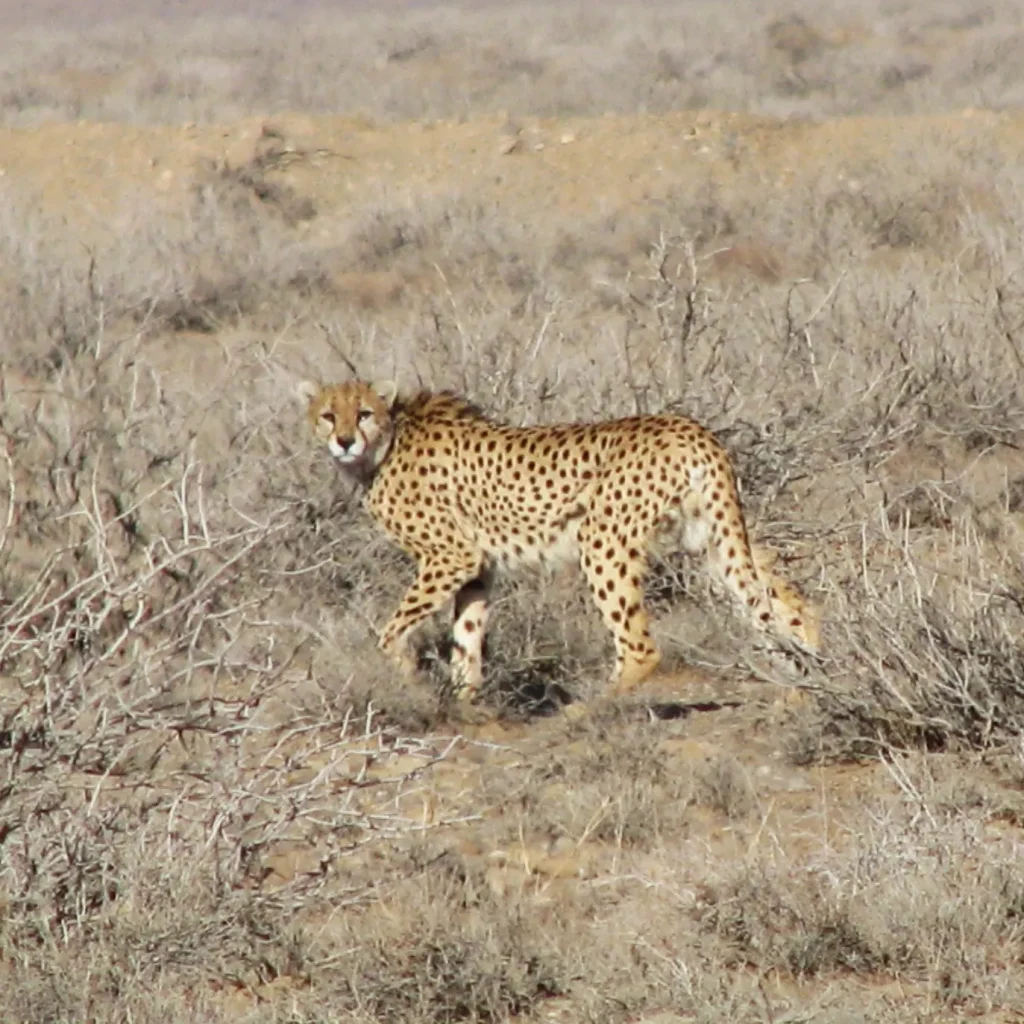
Protecting Iran's Wildlife

We work to safeguard vulnerable species through monitoring, habitat protection, practical interventions, and stronger coordination where urgent conservation action is needed.
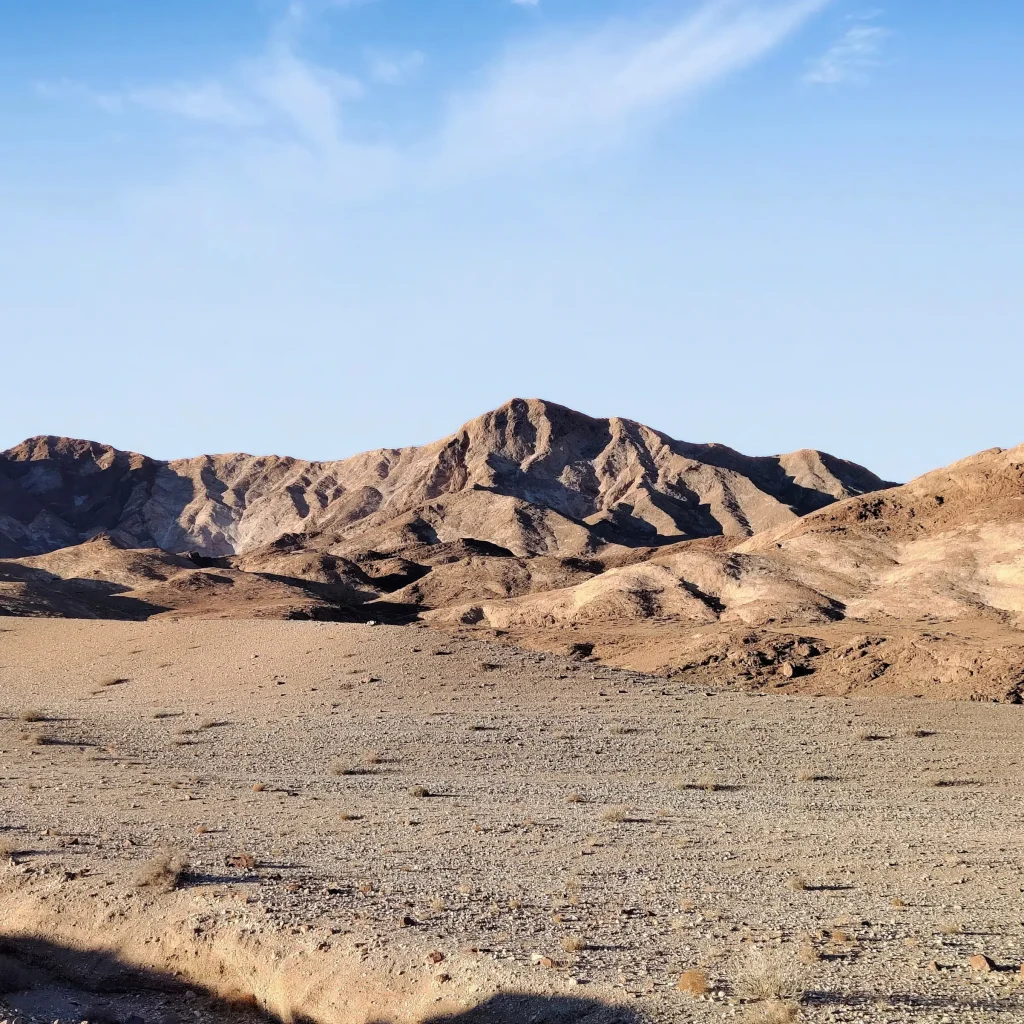
Nature-based Solutions

We work to restore ecological function in degraded landscapes through practical, place-based actions that support biodiversity, resilience, and coexistence.
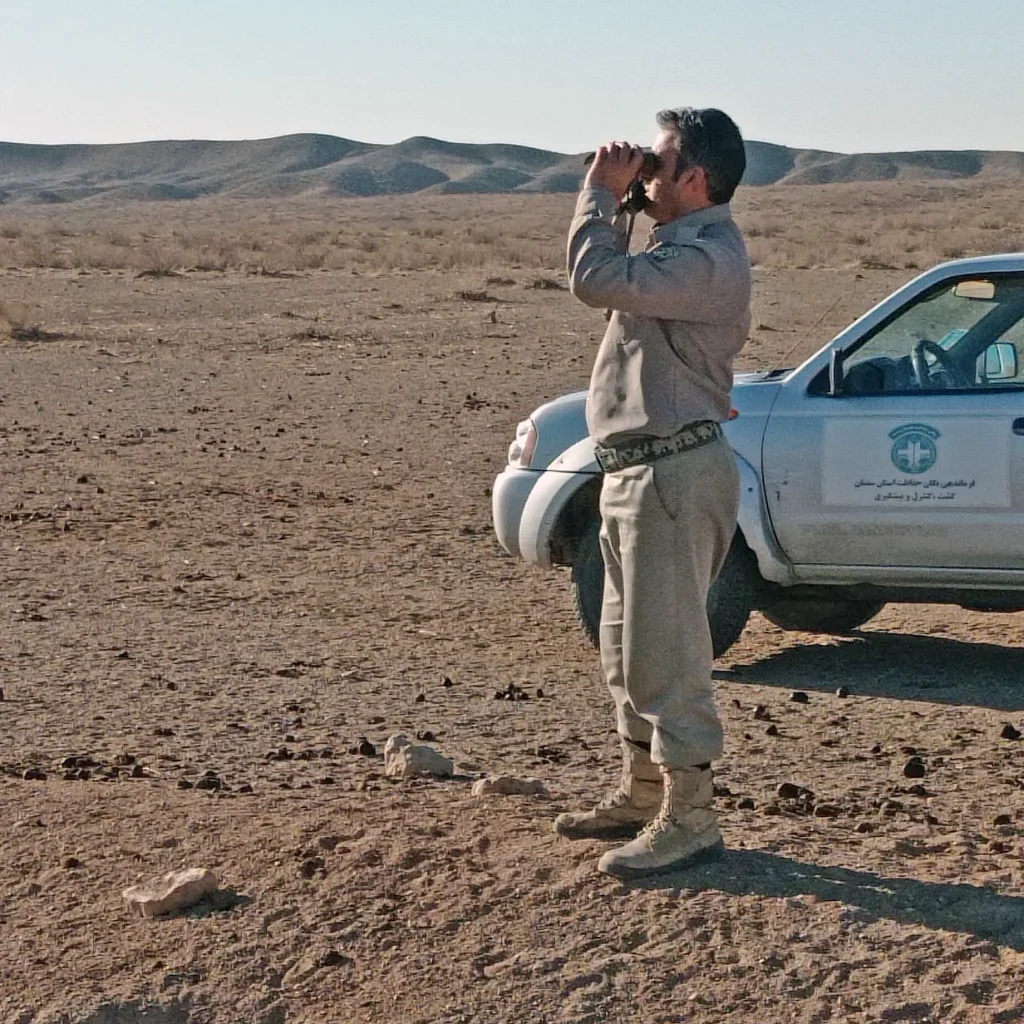
Empowering Communities

We support local communities and rangers through skills, participation, and conservation-centered opportunities that strengthen long-term stewardship of nature.
How We Work

Our work focuses on protecting wildlife, restoring ecological function, and strengthening the role of local communities in conservation.

Field-based conservation

We build our work on direct field experience, practical action, and long-term presence in the landscapes where conservation challenges unfold.

Community participation

We work with local communities and rangers because durable conservation depends on trust, shared knowledge, and local stewardship.

Ethical responsibility

We believe conservation must be practical, respectful, and responsive to ecological realities as well as social conditions.

Local knowledge and science

We value both lived experience and technical knowledge in shaping conservation responses that are realistic, adaptive, and grounded.

Featured Project

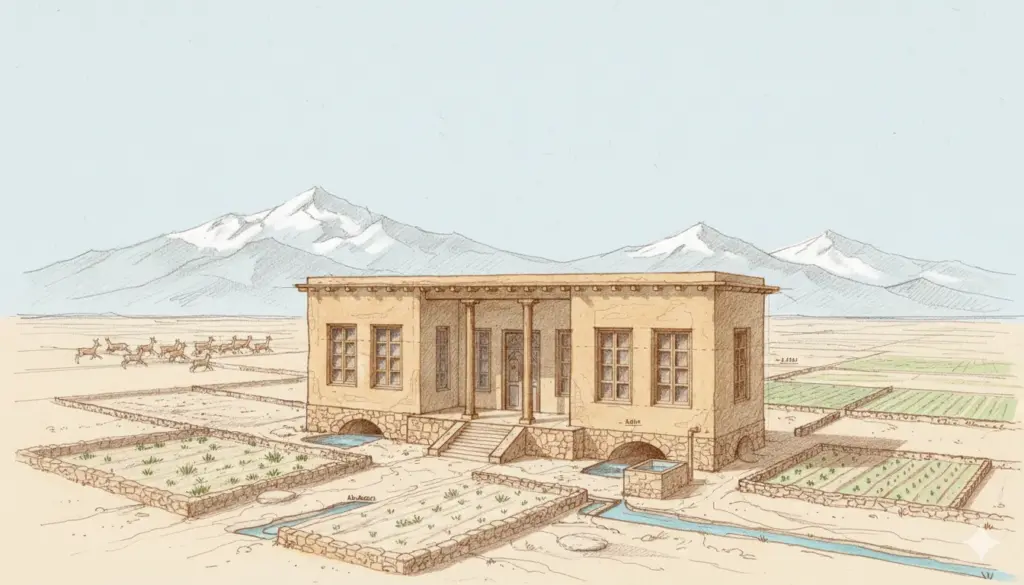
Building Sarvin’s Habitat Restoration Hub in Turan

In Qaleh Bala, at the edge of the Touran Biosphere Reserve, Sarvin is building a long-term habitat restoration hub centered on water, native vegetation, and collaboration with local communities.

The hub is designed to test practical restoration methods for drought-stressed desert landscapes that are critical to the survival of the Asiatic cheetah and its prey.

Sarvin Habitat Restoration Hub in Asiatic Cheetah Landscapes

Why This Work Matters in Iran

In Iran, many of the landscapes that sustain threatened wildlife receive too little long-term conservation support. Lasting progress depends on trusted local capacity, practical field presence, and institutions that can continue working through difficult conditions.

That is why building durable, community-aware conservation efforts in Iran is not only important for wildlife, but essential for the future of the landscapes they depend on.

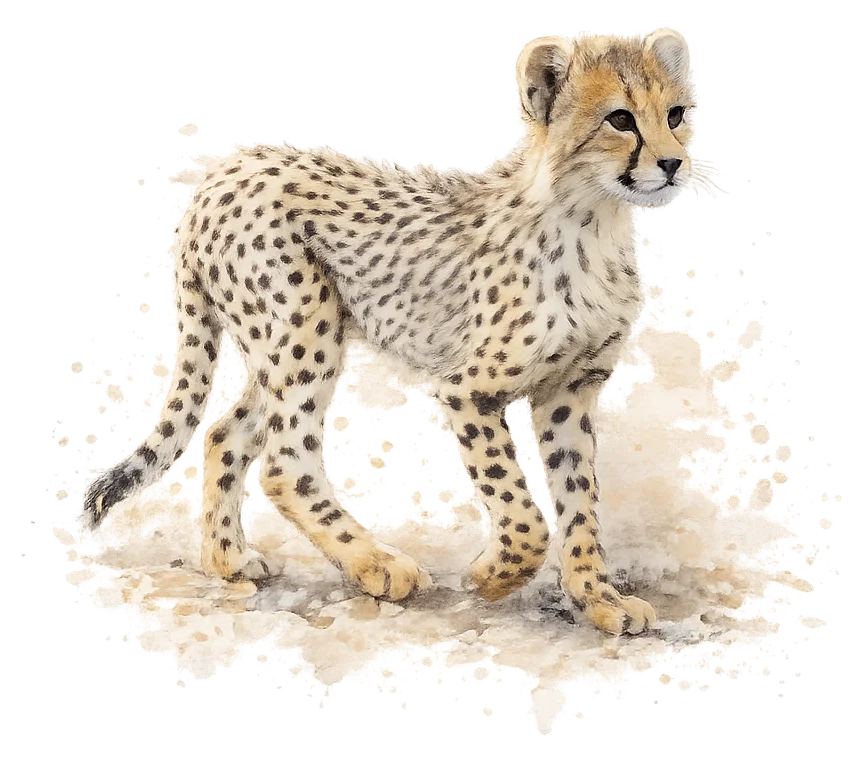
Asiatic Cheetah cub

Support Our Work

Long-term conservation depends on long-term commitment. By supporting Sarvin, you help sustain practical fieldwork, community partnerships, and locally rooted conservation for Iran’s most vulnerable wildlife and landscapes.
Your support helps us continue building durable conservation capacity where it is needed most.