Our program areas
Wildlife, habitat and people — working together
Sarvin’s conservation work is organised around three connected program areas: protecting wildlife, advancing nature-based solutions, and strengthening the role of local communities in conservation.
Program 01
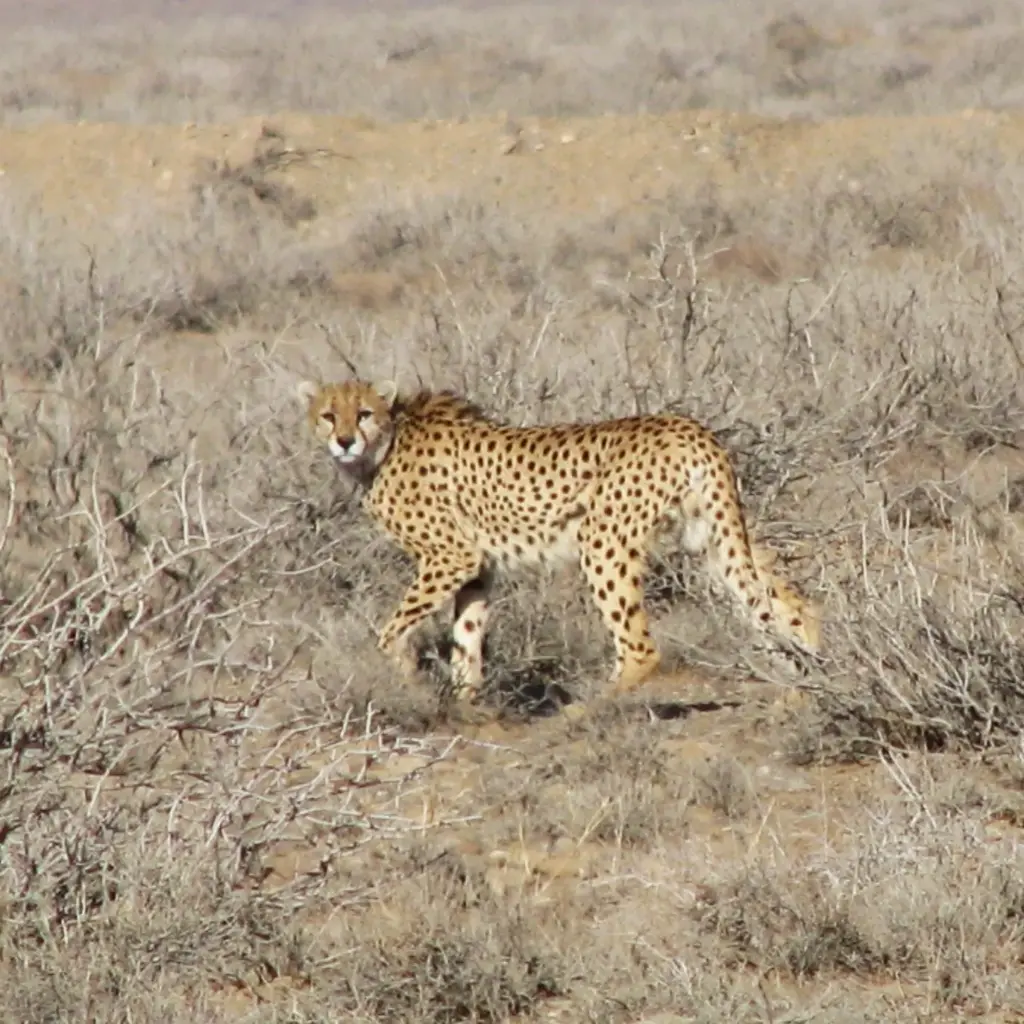
Protecting Iran’s Wildlife
We work to protect threatened wildlife through practical field interventions, habitat protection, monitoring, and cooperation with those responsible for safeguarding key species and ecosystems. This program focuses on the urgent needs of wildlife populations whose survival depends on timely, sustained action.
Species-focused activities are designed around each population’s condition — from reducing poaching to captive breeding and reintroduction, rebuilding wild populations, and strengthening genetic diversity. Workshops and awareness campaigns shift how local communities see and treat wildlife.
- Population monitoring in key habitats
- Habitat protection and patrol support
- Practical, timely field interventions
- Coordination with the agencies that safeguard key species
Program 02
Nature-based Solutions
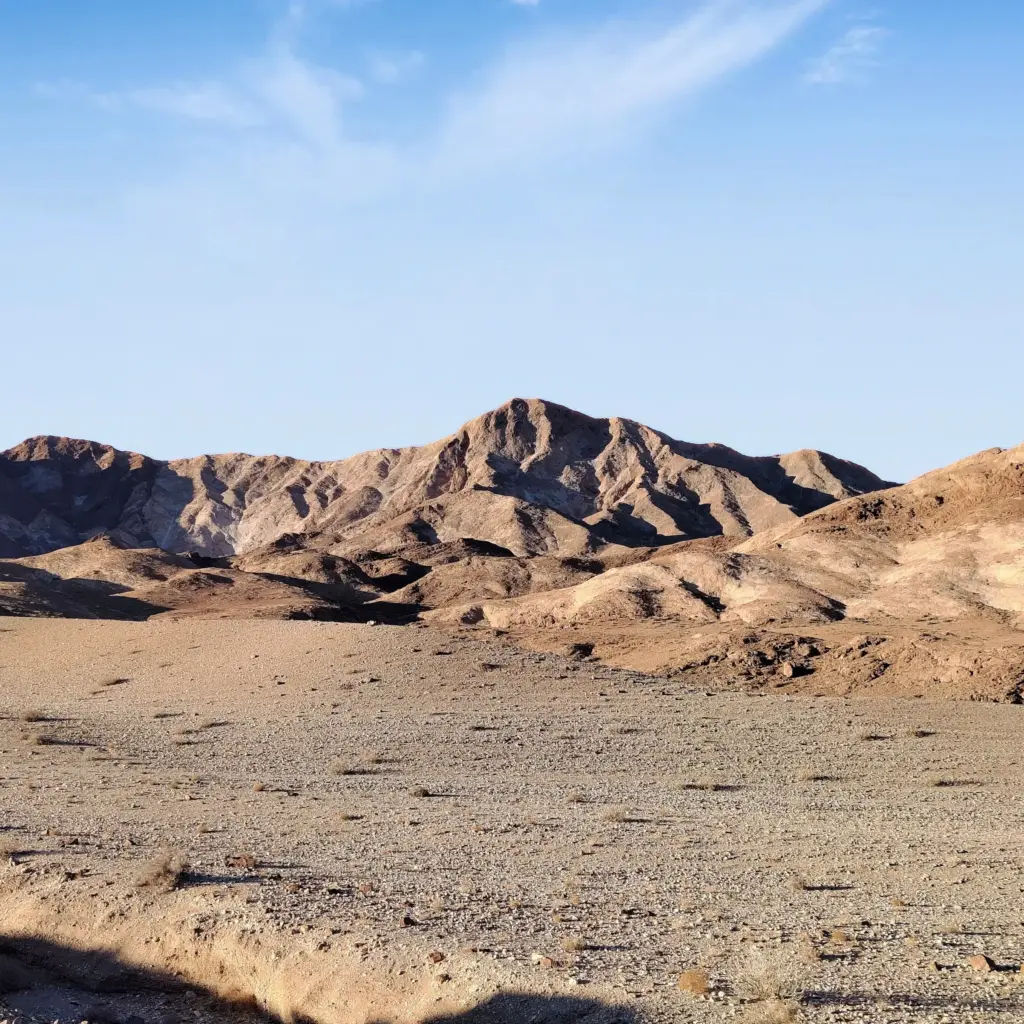
We use restoration-centred, place-based approaches to recover ecological function in degraded landscapes. This includes work on vegetation recovery, water-centred restoration, and practical interventions that improve resilience for both biodiversity and local communities.
In Iran’s arid ecosystems this means working with water, native vegetation, land-use practice, and local responsibility at once — from the Miandasht water restoration project to the habitat restoration hub being built in Turan.
- Native vegetation recovery
- Water-centred restoration
- Resilience for wildlife and villages alike
- Communities involved from day one
Program 03
Empowering Communities
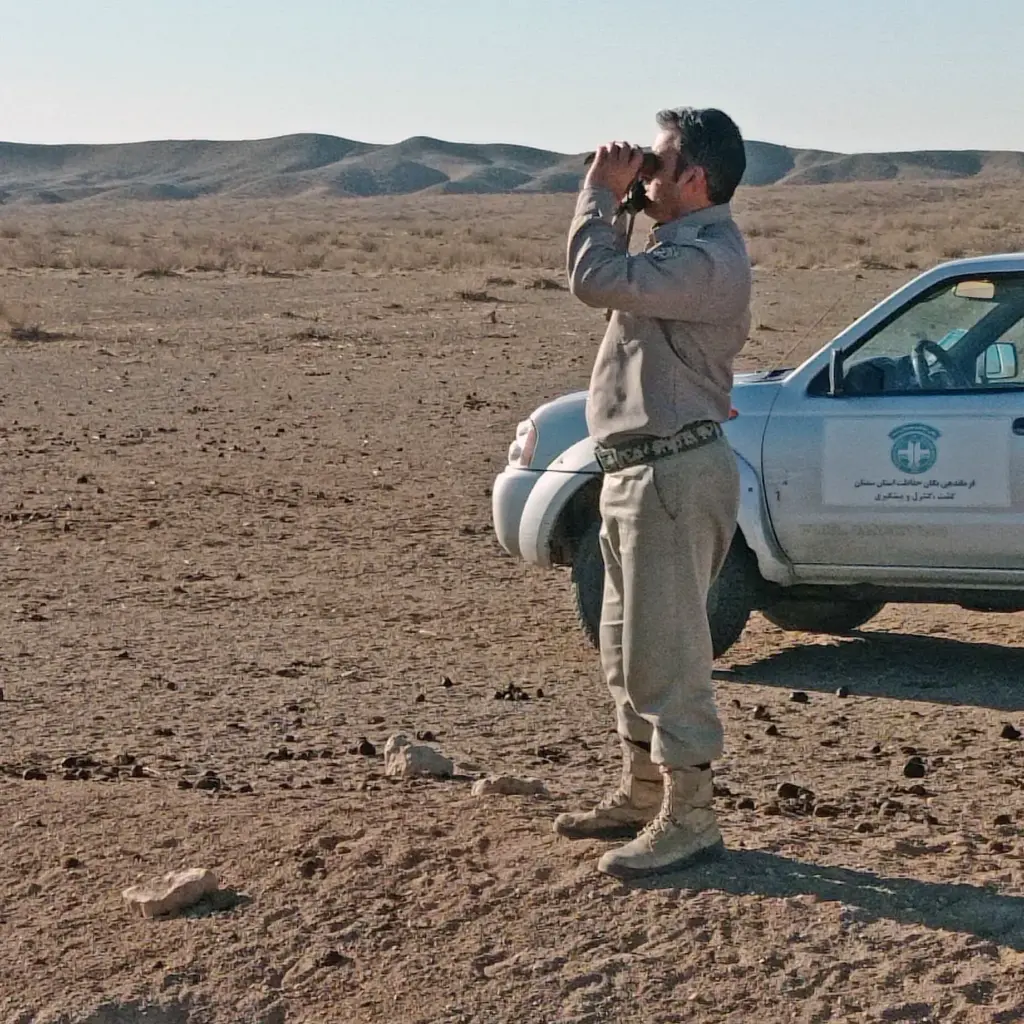
We believe in holistic conservation: people and nature are inseparable parts of one ecosystem. This program focuses on two key groups — rangers, and indigenous and local communities.
For rangers, workshops on tracking, photography, camera-trapping and navigation keep skills current. For local communities, training in sustainable herding and farming, participation in habitat restoration, and livelihood opportunities linked to conservation prevent degradation — and outmigration.
- Skills and training for rangers
- Participation in conservation decisions
- Knowledge-sharing with local communities
- Livelihood opportunities linked to conservation
How these programs work together
Wildlife protection depends on healthier habitats, and lasting restoration depends on the trust, participation, and knowledge of the people who live and work in these landscapes.
Help us keep every program in the field
Long-term commitment keeps rangers on patrol, restoration plots watered, and community partnerships strong.